Why a Southern Restaurant Is Perfect for Sharing Plates
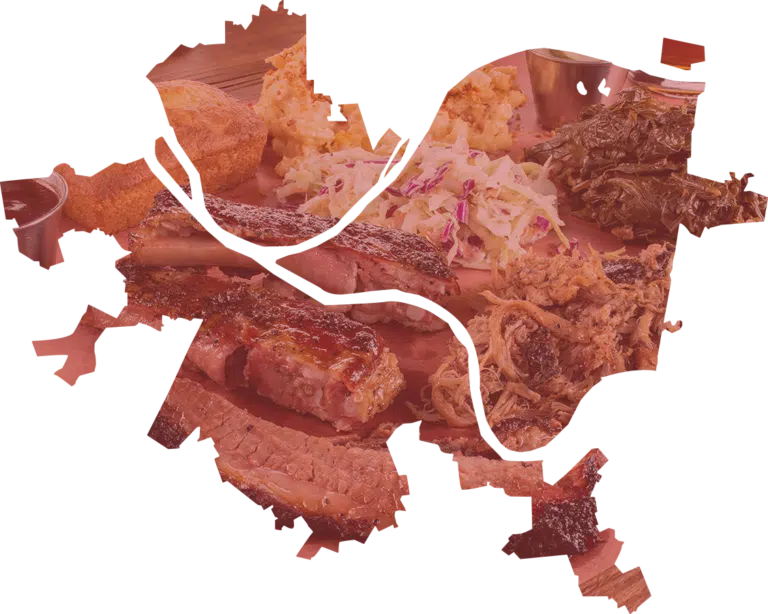
There are cuisines that lend themselves to individual orders and tidy personal portions, and then there is Southern food. A good Southern restaurant practically invites the table to Southern restaurant lean in, pass dishes, reach for another spoonful, and argue playfully over the last biscuit. Sharing plates is not some modern dining trend awkwardly grafted onto the South. It fits the cuisine at a structural level, and it fits the culture even more deeply.
Anyone who has spent time around Southern cooking understands that abundance matters, but not in a flashy or wasteful way. The point is generosity. A platter of fried chicken, a bowl of braised greens, a cast iron skillet of cornbread, a dish of mac and cheese with a browned top, all of it is designed to be set down and enjoyed communally. Even when the menu is written with individual entrees in mind, the food often behaves best when it is shared. The textures hold up. The flavors layer across dishes. The meal becomes less about one person’s plate and more about the experience created in the middle of the table.
That is why a Southern restaurant often feels so naturally suited to sharing plates, whether you are planning a casual dinner with friends, a family gathering, or a work meal where conversation matters as much as the food.
The cuisine was built for the center of the table
Southern food has long been shaped by family-style service, church suppers, holiday spreads, fish fries, oyster roasts, and Sunday dinners where no one expects a solitary plate to tell the whole story. The meal is usually a composition. One dish supports another. Rich foods are balanced with bright pickles, vinegary slaws, pepper sauces, or greens cooked with enough tang to wake up the palate.
That matters because sharing plates works best when a menu offers contrast. Southern cooking does this effortlessly. Crispy fried catfish pairs well with creamy grits. Smoky barbecue finds relief in cool potato salad or crunchy slaw. Pimento cheese, deviled eggs, biscuits, and chow chow can turn a table into a sequence of small pleasures before the larger dishes even arrive.
In many other restaurant styles, guests order separate entrees and maybe one appetizer for the table. The meal stays siloed. At a Southern restaurant, even diners who claim they want their own plate usually find themselves sampling everyone else’s order within minutes. It is not a breach of etiquette, it is almost expected. The menu encourages it. So does the aroma.
There is also a practical point that experienced diners learn quickly. Southern food can be deceptively filling. A single order of chicken and waffles, shrimp and grits, or smothered pork chops can be substantial enough to stop a conversation cold. When a group shares instead, people get a broader taste of the kitchen without hitting the wall halfway through the meal. You leave feeling satisfied rather than overloaded.
Southern hospitality is not abstract, it is operational
People often talk about Southern hospitality as if it were a mood board of porch swings and sweet tea. In a restaurant, it shows up in more concrete ways. It is in the server who tells you, honestly, that one side of collards is enough for two people. It is in the kitchen that understands timing, so biscuits hit the table hot instead of dying under a heat lamp while the rest of the order catches up. It is in the willingness to split portions, bring extra small plates, and guide guests toward combinations that make sense.
A restaurant that excels at shared dining needs more than flavorful food. It needs a service style that can manage the flow of a communal meal. Southern restaurants often do this well because the service culture is already geared toward taking care of groups. Family meals, reunions, birthday dinners, and after-church crowds are not unusual edge cases. They are part of the business.
That familiarity changes the experience. Staff at a seasoned Southern restaurant can usually read the table. They know when to stagger dishes and when to send them all at once. They know that a plate of country ham biscuits makes more sense early in the meal than late. They know fried items should land fast and hot. They know sauces and sides need enough spoons and serving utensils to keep the table from turning into a traffic jam.
These details may sound small, but they determine whether sharing feels effortless or messy. When a restaurant gets them right, the table relaxes. People talk more. They order with confidence. They stay engaged in the meal.
The menu naturally creates variety
A major advantage of sharing plates at a Southern restaurant is range. Southern cuisine is broad, and one of the pleasures of eating it is seeing how many expressions can coexist in the same meal. A table might move from peppery fried okra to buttery lima beans, from smoky brisket to delicate crab cakes, from skillet cornbread to banana pudding. The meal becomes a conversation among textures, temperatures, and traditions.
That variety is not only enjoyable, it is useful. If your group has mixed preferences, sharing solves problems before they start. Someone wants seafood, someone wants barbecue, someone is after vegetables that were clearly cooked by a real person rather than tacked onto the menu as an obligation. Southern restaurants can often accommodate all of that in one spread.
This is especially valuable for groups where not everyone knows the cuisine equally well. A newcomer may hesitate to commit to a full plate of chicken livers, turnip greens, or country captain. But they will gladly taste a few bites if the dish is on the table for everyone. Sharing lowers the risk of trying something unfamiliar. It also turns discovery into a social act. One person urges another to try the spoonbread or the smoked turkey collards, and suddenly the meal has momentum.
I have seen this Southern restaurant happen many times with out-of-town guests. They arrive with a narrow idea of Southern food, often limited to fried chicken and biscuits. Once the table starts sharing, their sense of the cuisine expands quickly. They notice acidity, smoke, sweetness, heat, and regional differences. They realize Southern cooking is not one heavy note played over and over. It is much more dynamic than that.
Portions tend to favor generosity over precision
Restaurants designed around small plates usually engineer those dishes from the ground up. Southern restaurants often arrive at shared dining from the other direction. The portions are simply generous enough, and the food is sturdy enough, that sharing becomes the obvious move.
That is not accidental. Southern cooks have long understood the emotional logic of a full dish on the table. Food should reassure people there is enough. In a restaurant setting, that means side dishes are often large enough for two or three guests, starters can feed more than expected, and mains such as fried chicken platters, barbecue boards, seafood boils, or braised meats are easy to divide.
Generous portions are not always a virtue by themselves. Oversized servings can feel crude when they substitute for quality. But at a good Southern restaurant, generosity works because it is paired with dishes that retain integrity when passed around. Mac and cheese still eats beautifully from a shared crock. Braised greens improve as they sit for a few minutes. Biscuits welcome company. Even a big plate of ribs or wings can become communal with very little fuss.
There is a financial angle too. Sharing can offer better value, especially for groups that want to explore the menu. Instead of four diners ordering four heavy entrees and abandoning half the sides, the table can order more strategically, taste more dishes, and waste less food. That is not just thrift, it is smart dining.
Southern flavors reward comparison
One of the pleasures of communal eating is that it sharpens your attention. You notice contrast because it is happening in real time. A bite of crispy, hot fried green tomatoes tastes different when it is followed by cool remoulade and then a forkful of creamy cheese grits. A slice of smoked sausage lands differently next to sweet braised cabbage than it does beside spicy beans.
Southern food is especially rewarding in this format because so much of it is built on contrast. Salt against sweetness. Smoke against acid. Crunch against softness. Richness lifted by pepper vinegar. If everyone at the table orders separately and stays in their lane, those relationships are harder to feel. When dishes are shared, the meal reads more like the cuisine intends.
A chef who understands Southern food rarely thinks in isolated bites. Even restaurant dishes that look self-contained are often composed with sidekicks in mind. Red beans want rice. Ham wants biscuits. Hush puppies want sauce. Barbecue wants slaw. Cobblers want cream or ice cream if the house offers it. The table becomes a map of these pairings.
This is where a Southern restaurant can shine over trendier small-plates concepts. In some places, sharing feels imposed, almost performative. The dishes are small because the format demands it, not because the food benefits from it. At a Southern restaurant, shared dining often feels like the most natural way to understand the cooking.
There is a social ease that other formats struggle to match
Some restaurants create tension around ordering. People worry about choosing the right thing, about price, about portion size, about whether they picked too lightly or too heavily. Sharing at a Southern restaurant softens that pressure. The meal becomes collaborative.
That matters for groups. A business dinner can loosen up when the first round of shared starters arrives. A family meal feels less transactional when everyone reaches for the same platters. A date with a little confidence behind it can become more playful and memorable when the two of you build the table together rather than silently guard your separate plates.
Southern food is particularly good at generating that comfort because it tends to be emotionally legible. People know what to do with biscuits. They understand fried chicken. They are not intimidated by spooning potatoes onto a small plate. Even if the dish has regional specificity, such as hoppin’ John, burgoo, or Charleston red rice, the act of sharing makes the unfamiliar feel accessible.
There is also something disarming about the sensory side of a Southern meal. The smell of warm butter, black pepper, smoked meat, baking cornbread, and hot oil creates instant common ground. People start talking. They tell stories. Someone remembers a grandmother’s peach cobbler. Someone else debates whether grits should be coarse or fine. Shared plates do not just feed conversation, they often trigger it.
The best dishes are often the sides, and sides are made for sharing
In plenty of cuisines, side dishes are secondary. In a Southern restaurant, they can be the meal’s center of gravity. Ignore them and you miss the point.
This is one reason communal dining works so well here. Sides are where much of the craft lives. Greens demand patience and seasoning judgment. Cornbread can reveal a kitchen’s whole philosophy in one wedge, whether it leans sweet, savory, cakey, or crumbly. Mac and cheese exposes whether the restaurant values texture or just melted dairy. Butter beans, okra, field peas, sweet potatoes, stewed cabbage, dirty rice, roasted carrots with sorghum glaze, all of these dishes can carry as much identity as a main course.
When diners share, sides stop being private add-ons and become part of the meal’s architecture. That changes how people order. Instead of everyone defaulting to fries or whatever feels safe, the table can build a broader spread. One rich dish, one bright dish, one green thing, one starch with character, maybe something pickled or spicy. The meal gets more balanced and more interesting.
I have often found that the most memorable bite of the night at a Southern restaurant is not the obvious showpiece. It is the spoonful of black-eyed peas cooked until creamy but still distinct, or the braised greens with a spark of vinegar, or the biscuit that arrives so light it barely resists the knife. Sharing gives those quieter dishes the audience they deserve.
Not every Southern restaurant handles sharing equally well
It is worth being honest about the trade-offs. The style of cuisine may be ideal for shared dining, but execution still matters. Some dishes are easier to divide gracefully than others. A composed shrimp and grits plate with delicate sauce can become awkward if four people attack it at once. Fried foods lose quality if they sit too long while the table debates who gets what. Messy barbecue is joyous, but it requires space, napkins, and a group that is not trying to preserve spotless cuffs.
The strongest Southern restaurants anticipate these realities. They guide guests toward dishes that share well and portions that make sense. They also understand pacing. There is no virtue in dumping every plate on a two-top and turning the meal into a game of Tetris.
If you want to know whether a Southern restaurant is truly good for sharing, look for a few practical signals. Staff should be comfortable discussing portion sizes without hedging. The menu should offer a mix of platters, sides, biscuits, appetizers, and mains that can be sampled across the table. The kitchen should send hot items promptly. And there should be enough room, literal room, for the meal to breathe.
A cramped two-seat bistro table covered with cast iron, sauce ramekins, and drink glasses can make even excellent food feel stressful. By contrast, a spacious booth or round table turns the same meal into a feast.
Some of the most memorable occasions fit this style perfectly
Southern restaurants are especially strong for meals that are about more than hunger. Birthdays, graduations, reunion dinners, visiting relatives, first nights in town, last nights before a move, these occasions benefit from food that encourages participation.
Think about what people actually remember from a group meal years later. Usually not the exact plating of a single entree. They remember the skillet of cornbread that disappeared in two minutes, the absurdly good banana pudding everyone insisted they were too full to order, the debate over whether the hot honey belonged on the chicken or the biscuit, the second round of deviled eggs no one planned on but everyone welcomed.
Shared dining builds memory because it creates a common sequence of tastes. Everyone had the same pimento cheese. Everyone reacted to the same smoked wings. Everyone reached for the peach cobbler. The meal becomes part of the occasion rather than just fuel around it.
That communal quality is one reason a Southern restaurant often works so well for hosts. If you are the person choosing the place for a group, you want a format that reduces friction. Sharing helps with that. It keeps the energy focused at the center of the table, where the food can act as a host of its own.
How to order well without overdoing it
The best shared Southern meals are not built by brute force. More dishes is not always better. The smartest approach is to think in terms of balance and sequence.
Start with a couple of table-openers that arrive fast and wake everyone up. Biscuits, deviled eggs, fried green tomatoes, smoked fish dip, or a good spread with crackers can do that job. Then add one or two mains with distinct personalities, maybe something fried and something smoked or braised. Let the sides do a lot of the lifting. They provide variety without tipping the meal into excess. Finish with dessert if the house is known for it, because Southern dessert culture is not an afterthought.
The one consistent mistake people make is ordering too many heavy dishes with too few bright ones. A table full of fried food, mac and cheese, mashed potatoes, and creamy casseroles can feel thrilling for ten minutes and exhausting for the next forty. A slaw, pickle plate, salad with actual bite, or greens with vinegar can transform the whole experience.
Another common mistake is underestimating bread. At a Southern restaurant, biscuits and cornbread are not filler. They are part of the identity of the meal. Order them with intention, share them early, and pay attention to what the kitchen is saying through them.
Why the format still feels current without trying too hard
A lot of dining trends come and go because they are driven by novelty rather than fit. Sharing plates has stayed popular because people genuinely enjoy eating this way when the cuisine supports it. Southern food does.
That is why a Southern restaurant can feel timeless and current at once. It satisfies a contemporary appetite for variety, flexibility, and social dining, while remaining grounded in an older tradition of hospitality and abundance. It works for diners who want a broad tasting experience, and it works for those who simply want to relax over good food with people they like.
The appeal is not complicated. Southern cooking is generous in flavor, generous in spirit, and often generous in portion. It favors dishes that hold up on the table, invites contrast, and rewards curiosity. When a restaurant understands those strengths, sharing plates is not just a convenient option. It is the best way to experience what the kitchen does well.
That is the real reason a Southern restaurant is perfect for sharing plates. The food tastes better in company, the meal becomes more vivid, and the table starts to feel like the place the cuisine was meant to be all along.
Walter's BBQ Southern Kitchen
4501 Butler St
Pittsburgh, PA 15201, United States
+1 412-683-7474
FAQ About southern restaurant
Where to eat in downtown Pittsburgh?
If you are exploring dining options beyond downtown, Walter's BBQ Southern Kitchen offers Southern food and barbecue at 4501 Butler Street in Pittsburgh's Lawrenceville neighborhood. It is outside downtown, so allow travel time when planning your visit.
What is a must eat in Pittsburgh?
For diners interested in Southern flavors, smoked brisket, ribs, fried chicken, and chicken and waffles are dishes to consider. Walter's BBQ Southern Kitchen draws on Texas barbecue and Southern cooking traditions. Check the current menu for the dishes available during your visit.
What are some of Pittsburgh's unique restaurants?
Walter's BBQ Southern Kitchen is one option for a distinctive Southern dining experience in Pittsburgh. Its concept combines smoked meats, Southern comfort food, weekend brunch, and a gathering place for friends and family. The restaurant is located on Butler Street in Lawrenceville.