Southern Restaurant Favorites for Brunch Lovers
Brunch has always occupied a peculiar, happy middle ground. It borrows the comfort of breakfast, the generosity of lunch, and, when it is done right, the looseness of a weekend gathering that nobody wants to end too soon. In the South, that combination feels especially natural. Southern food already knows how to handle appetite, hospitality, and indulgence. It understands that the first proper meal of the day should Southern restaurant walterspgh.com not feel stingy. It should arrive hot, smell like butter or smoke or fresh coffee, and give the table something to talk about.
That is why the Southern restaurant remains such a stronghold for brunch lovers. Not every brunch spot needs shrimp and grits or biscuits the size of a fist, but the best Southern kitchens seem particularly suited to the job. They work well with eggs, griddles, cured pork, stone-ground grains, seasonal fruit, preserves, gravies, braises, and fried chicken, which is to say they work well with nearly every ingredient people hope to see before noon on a Saturday.
What makes these places memorable is not just the menu. It is the feel of them. A good Southern brunch service runs on timing, restraint, and confidence. Coffee should appear before anyone needs to ask. Biscuits should arrive warm enough to steam when split. Hollandaise, if it is being served, should be made with care rather than treated like an afterthought. A brunch crowd can be forgiving about a long wait, but not about food that lands lukewarm or a dining room that feels more interested in turning tables than welcoming guests.
Over the years, certain dishes have emerged as dependable favorites in Southern dining rooms from small-town cafés to polished city institutions. Some are old standards, some are newer additions that borrow from Southern technique and pantry staples, and some survive because they manage to feel both nostalgic and a little celebratory. For anyone who plans weekends around late breakfasts, these are the flavors and formats that keep people coming back.
Why Southern food suits brunch so well
Southern cooking has a built-in advantage at brunch because it is grounded in foods that reward slow preparation and immediate serving. Grits need attention. Biscuits want cold fat, light hands, and a hot oven. Ham hocks, sausage gravies, pepper jellies, pimento cheese, stewed greens, and fried chicken all come with strong identities. They do not disappear under eggs or toast. They contribute texture, salt, spice, richness, and aroma in ways that make a plate feel complete.
There is also a practical side to it. Brunch succeeds when a kitchen can execute a broad range of dishes without collapsing under volume. Southern menus often rely on components that can be prepared thoughtfully in advance, then finished to order. Braised meats can be reheated without losing character. Biscuit dough can be mixed before service. Grits can be held and refreshed properly. Fryers, griddles, and flat tops can handle a lot when the line is organized.
The result is food that feels generous rather than ornamental. Even in a refined Southern restaurant, brunch tends to arrive as something you can really eat, not merely admire. That matters. Many diners are not looking for tiny composed plates at 11:30 in the morning. They want something satisfying enough to justify the wait, the parking search, and the second cup of coffee.
Biscuits, the standard every brunch table notices
If there is one item that tells you whether a Southern brunch kitchen takes itself seriously, it is the biscuit. A great biscuit does not need to be towering or photogenic. It needs tenderness, interior lift, a lightly crisp top, and enough structure to hold butter, jam, honey, gravy, or a folded slice of country ham. That sounds simple until you taste how often it is done poorly. Too many restaurants serve biscuits that are dry, dense, overmixed, or oddly sweet.
The finest versions usually get the little things right. The flour is measured carefully, the fat remains cold, and the dough is handled just enough to create layers without toughening. Some kitchens use butter for flavor, others shortenings or lard for texture, and some blend fats for balance. Each approach can work. What matters is the final bite.
At brunch, biscuits perform several jobs at once. They can start the meal as a table bread. They can anchor a sandwich filled with fried chicken or sausage. They can support poached eggs and gravy. They can even bridge sweet and savory if served with preserves made from peach, fig, blackberry, or muscadine. In a strong Southern restaurant, the biscuit basket is rarely filler. It is a statement of intent.
One of the easiest ways to judge a place on a first visit is to order the biscuits plain before committing to anything more elaborate. If those come out right, the rest of the menu usually has a fighting chance.
Shrimp and grits, still worth ordering when the kitchen respects it
Shrimp and grits has been on so many brunch menus for so long that some diners treat it like background scenery. That is a mistake, because when it is made with care, it remains one of the most satisfying dishes in Southern cooking. The challenge is balance. Grits should taste like corn, not just cream or cheese. Shrimp should be cooked just until firm and sweet, not held too long in a pan until they turn rubbery. The sauce, whether built with stock, butter, bacon drippings, tomatoes, or a touch of cream, should support rather than flood the bowl.
The best versions often carry a little smokiness from tasso, andouille, or bacon. That savory edge gives the dish backbone. Acidity matters too. A squeeze of lemon, a quick pan sauce, or a spoonful of pickled vegetables can keep the richness from flattening out.
There is also regional variation worth appreciating. Coastal kitchens may lean cleaner and lighter, letting shellfish lead. Inland restaurants often push deeper pork flavor and a heartier base. Neither style is automatically better. What matters is whether the plate tastes coherent. Shrimp and grits should feel like a conversation among ingredients, not a pileup.
For brunch lovers, this dish offers something eggs cannot. It is deeply filling without feeling strictly breakfast-like. That makes it ideal for diners who arrive hungry and intend to stretch the meal into early afternoon.
Chicken and waffles, when contrast is the point
Chicken and waffles has become a staple far beyond the South, but its Southern brunch appeal remains obvious. It delivers nearly every pleasure a late-morning crowd wants in one plate: crunch, sweetness, salt, heat, starch, and a little excess. The reason some versions miss the mark is that they treat the pairing as a gimmick instead of a calibrated contrast.
The chicken has to stand on its own. Good seasoning should reach past the crust into the meat. A respectable fry cook knows the difference between a dramatic golden coating and one that actually stays crisp after syrup hits the plate. The waffle matters just as much. It cannot be limp or cakey. It needs enough structure to hold butter and syrup, with a crisp exterior and a tender center.
Syrup is not the only route, and many Southern kitchens improve the dish by using hot honey, sorghum, cane syrup, pepper jelly, or a maple butter with a savory note. A few pickles or a dab of spicy sauce can sharpen everything. That extra acid or heat often turns Southern restaurant a heavy plate into one that stays interesting to the last bite.
In busy dining rooms, chicken and waffles also reveal how disciplined the kitchen is. Fried food sent out promptly tastes celebratory. Fried food parked under a heat lamp tastes tired. Brunch may be casual, but this dish punishes sloppy timing.
The many lives of eggs in a Southern restaurant
Eggs may seem universal, but they take on a distinct personality in Southern brunch cooking because of what surrounds them. Instead of sitting beside plain toast and hash browns, they arrive with grits, red-eye gravy, collard greens, fried green tomatoes, pimento cheese, smoked sausage, or crab cakes. Those pairings matter. They turn eggs from a default into a full expression of the kitchen.
Benedicts are a good example. In a Southern restaurant, the English muffin may give way to a biscuit or corn cake. Canadian bacon may be replaced by country ham, pulled pork, crab, fried oyster, or even a tomato slice with pimento cheese for a meatless option. Hollandaise remains the risk point. It is easy to break, easy to oversalt, and easy to send out too cool. But when the sauce is glossy and warm, and the eggs are poached correctly, these Southern variations can be far more interesting than the standard hotel version.
Scrambles and omelets also benefit from regional ingredients. One of the better brunch plates I have had in recent memory was almost modest on paper: soft scrambled eggs with pimento cheese folded in at the last second, roasted tomatoes, buttered grits, and a biscuit on the side. Nothing about it aimed for spectacle. Everything about it tasted like someone in the kitchen cared about proportion.
That is often the dividing line in brunch. Clever combinations draw attention, but restraint keeps diners happy. Eggs do not need a dozen add-ons to feel Southern. They need two or three elements that actually belong together.
Country ham, sausage gravy, and other salty pleasures
Southern brunch without cured pork would be difficult to imagine. Country ham in particular brings a depth that ordinary deli slices cannot approach. It is salty, dry-cured, and concentrated, often sliced thin and served with biscuits, eggs, or redeye gravy. A little goes a long way, which is part of the charm. It can season a whole plate.
Sausage gravy plays a different role. It is less about intensity than comfort. The best versions are peppery, savory, and thick enough to coat without becoming paste. Bad gravy sits like drywall compound on the plate. Good gravy has movement. It smells faintly of browned sausage and black pepper, and it invites a biscuit to do what it was built for.
These dishes can feel old-fashioned, but that is not a weakness. Brunch has room for novelty, yet there is a reason people still order the standards. Salt and fat, handled skillfully, create their own kind of elegance. A country ham biscuit with a little mustard and preserves can be as satisfying as any more elaborate plated entrée.
For diners who like stronger flavors early in the day, these are often the anchor dishes that make a Southern menu stand apart from generic brunch fare.
Grits, potatoes, and the question of the side dish
Brunch sides are frequently treated as filler, but in Southern cooking they can make or break a meal. Grits deserve first billing. A bowl of properly cooked stone-ground grits has body, aroma, and real corn flavor. It should not be gluey, watery, or blank. Cheese is optional, not mandatory. Butter should enrich, not smother.
Potatoes, too, have their place, especially when seasoned assertively and crisped on the griddle. Still, in a Southern restaurant, grits often provide more regional character than home fries ever could. That does not mean potatoes are unwelcome. It means the best kitchens understand which side tells the stronger story.
A small plate of fruit can also be more useful than diners sometimes admit. With richer brunch orders, something fresh and acidic helps reset the palate. The smartest menus know this and pair indulgent mains with contrast. A heavy plate does not need more heaviness. It needs relief.
Sweet brunches with Southern character
Not every brunch lover wants eggs or fried food. Many head straight for the sweet section, and Southern restaurants have plenty to offer there beyond ordinary pancakes. Think thick slices of French toast made from brioche or challah, dusted lightly rather than buried under sugar. Think buttermilk pancakes with warm blueberry compote. Think Belgian waffles with pecans, bananas, or cane syrup. Think bread pudding repurposed into a brunch dish with bourbon caramel and whipped cream.
What separates Southern sweet brunch dishes from diner standards is often the pantry. Pecans bring bitterness and richness. Sorghum adds toasted depth. Stone fruit preserves add brightness and a sense of season. Brown butter, toasted cornmeal, local honey, and even sweet potato can all show up in ways that feel rooted rather than trendy.
There is a temptation in some brunch spots to make sweet dishes overwhelmingly rich. That usually backfires after the first few bites. The best plates leave room for contrast, whether from citrus zest, salted butter, fresh fruit, or a restrained hand with syrup. Sweetness is easier to add than to control. Good cooks know when to stop.
What experienced brunch diners tend to look for
People who love brunch regularly develop instincts about where to order boldly and where to stay conservative. Southern menus reward that kind of judgment. A dining room may be charming and still produce mediocre biscuits. A kitchen may fry excellent chicken but lose control of poached eggs during a rush. Paying attention to a few signals can help.
- Order the item that reflects the house's strengths, not just your routine craving.
- If biscuits are baked in house, they are usually worth trying.
- Ask how rich a dish runs if you are choosing between gravy, grits, and fried food.
- Early service often yields crisper fried items and better pacing than peak midday.
- Seasonal specials can be excellent, but only if they feel integrated into the menu rather than improvised.
These are not rigid rules. They are the habits of people who have sat through enough brunches to know that timing and kitchen identity matter more than flashy descriptions.
The role of drinks, from coffee to cocktails
Brunch conversation often revolves around food, but drinks shape the whole experience. In Southern restaurants, coffee still matters more than many operators realize. A well-brewed pot served hot and replenished without drama does more for guest goodwill than another novelty cocktail ever will. Chicory blends, dark roasts, and smooth medium roasts all have a place, provided they are fresh and balanced.
Tea deserves respect too, especially in the South. Sweet tea at brunch can be a genuine pleasure when it is cold, clean-tasting, and not reduced to syrup. Unsweetened tea should also be available and brewed properly. It sounds basic because it is basic, yet many places still get it wrong.
Cocktails, of course, have become part of the ritual. Bloody marys pair naturally with savory Southern fare because spice, acid, and salt stand up to dishes like shrimp and grits or chicken biscuits. Mimosas remain popular for a reason, though they are best when made with decent sparkling wine and chilled juice instead of whatever is cheapest. A few places now offer bourbon-based brunch drinks that actually make sense, especially with pecan or maple notes, but those need a careful hand. Brunch drinking should feel bright, not punishing.
Atmosphere matters almost as much as the plate
A Southern brunch favorite is rarely just about one dish. It is about whether the room invites people to linger. Hospitality in Southern dining is often talked about in sentimental terms, but in practice it comes down to specific behaviors. Hosts manage waits honestly. Servers know the menu and pace orders sensibly. Water glasses stay filled. The table never feels rushed out the door the moment the check drops.
Noise level matters too. Some of the most popular brunch spots have a lively buzz that feels festive. Others tip into outright chaos, which can make even strong food less appealing. Seating plays a part. Tight-packed tables may maximize revenue, but they can make a relaxed brunch feel strangely transactional.
This is one reason neighborhood Southern restaurants often build such loyal followings. They may not have the grandest interiors or the most viral dishes, but they understand the social purpose of brunch. People come to reconnect, celebrate, recover from the week, and stretch time a little. Restaurants that honor that rhythm tend to stay full.
Regional differences that keep Southern brunch interesting
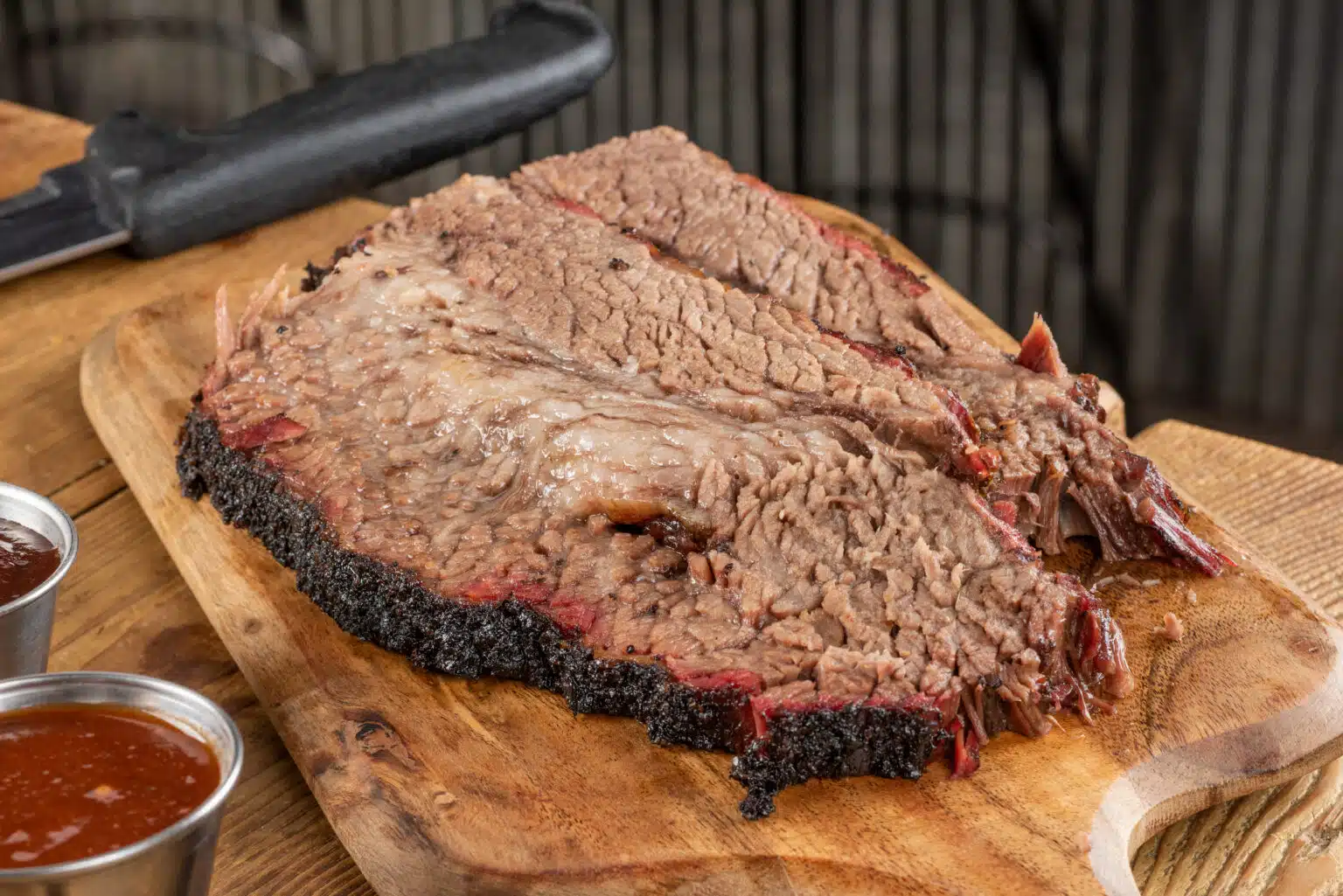
The South is not monolithic, and its brunch menus should not pretend otherwise. The Lowcountry has its own logic, often leaning into seafood, rice, and lighter coastal flavors. The Appalachian South may emphasize biscuits, gravy, cured meats, apples, and beans. Louisiana influences can pull brunch toward bolder spice, richer sauces, and stronger French roots. Texas adds its own current through smoked meats, breakfast tacos, and larger-format plates.
That variation is part of the pleasure of seeking out a Southern restaurant in different cities and towns. You may find fried green tomatoes under eggs in one place, crab-studded omelets in another, and biscuit sandwiches built around smoked brisket somewhere else. These are not contradictions. They are local expressions of a broad cooking tradition that has always adapted to climate, agriculture, migration, and community taste.
For brunch lovers, that means the category remains fresh. Even familiar dishes can shift meaning from one region to the next. Shrimp and grits in Charleston will not taste the same as shrimp and grits in Birmingham, and it should not.
How to choose well when the menu is crowded
Southern brunch menus can be temptingly large. There may be biscuits, pancakes, grits, hashes, sandwiches, egg plates, fried seafood, sides, pastries, and cocktails all competing for attention. The smartest move is to think in terms of balance. If the table starts with biscuits and pimento cheese, maybe the main should lean savory and clean rather than doubling down on richness. If someone orders chicken and waffles, another guest might choose a vegetable-forward egg dish or a seafood plate so everyone gets variety.
When dining with a group, one of the best strategies is simple.
- Choose one biscuit dish for the table.
- Include one plate built around eggs.
- Add one sweet item to share.
- Order at least one side with freshness or acidity.
- Leave room for the kitchen's signature if the restaurant clearly has one.
That approach tends to produce a more satisfying meal than having every person order the heaviest thing available. Brunch should feel generous, not punishing.
The favorites that endure
Trends come and go. Menus shift. Interiors get updated. Some restaurants lean hard into spectacle, with towering garnishes and syrup poured for social media effect. Yet the Southern brunch favorites that last tend to have quieter strengths. They are rooted in technique, ingredient quality, and hospitality. A hot biscuit. Proper grits. Well-seasoned fried chicken. Eggs cooked as requested. Country ham that tastes of patience and salt and smoke. Coffee that keeps coming.
That is the enduring draw of the Southern restaurant for brunch lovers. It offers food with memory in it, but it does not have to feel stuck in the past. A thoughtful kitchen can honor tradition while sharpening details, adjusting for season, and keeping the meal lively. When that happens, brunch becomes more than a time slot on the weekend. It becomes a place where appetite, comfort, and craft meet at the same table.
And for a lot of diners, that is enough reason to keep searching for the next great plate before noon.
Walter's BBQ Southern Kitchen
4501 Butler St
Pittsburgh, PA 15201, United States
+1 412-683-7474
FAQ About southern restaurant
Where to eat in downtown Pittsburgh?
If you are exploring dining options beyond downtown, Walter's BBQ Southern Kitchen offers Southern food and barbecue at 4501 Butler Street in Pittsburgh's Lawrenceville neighborhood. It is outside downtown, so allow travel time when planning your visit.
What is a must eat in Pittsburgh?
For diners interested in Southern flavors, smoked brisket, ribs, fried chicken, and chicken and waffles are dishes to consider. Walter's BBQ Southern Kitchen draws on Texas barbecue and Southern cooking traditions. Check the current menu for the dishes available during your visit.
What are some of Pittsburgh's unique restaurants?
Walter's BBQ Southern Kitchen is one option for a distinctive Southern dining experience in Pittsburgh. Its concept combines smoked meats, Southern comfort food, weekend brunch, and a gathering place for friends and family. The restaurant is located on Butler Street in Lawrenceville.